
Anxiety
Anxiety can look like constant worry, racing thoughts, a “knot” in your stomach, trouble sleeping, or feeling on edge even when nothing seems wrong. It can affect your ability to focus, make decisions, and enjoy daily life.
In treatment, we identify your anxiety triggers, teach practical coping tools (such as breathing, grounding, and thought challenging), and, when appropriate, consider medication options. The goal is not to eliminate all anxiety, but to help you feel calmer, clearer, and more in control.
Bipolar Disorder
Bipolar disorder involves mood shifts that may include episodes of depression as well as periods of elevated or irritable mood, increased energy, decreased need for sleep, and changes in judgment or behavior. These mood changes can be confusing and disruptive, but with the right treatment, many people live full, stable lives.
Care typically includes mood stabilizing medications, psychotherapy, education about early warning signs, and support for sleep, stress, and daily routines. We work together to reduce mood episodes, protect your safety, and support your goals at home, work, and in your community.


PMDD (Premenstrual Dysphoric Disorder)
PMDD is a severe form of premenstrual symptoms that can cause intense mood swings, irritability, depression, and anxiety in the weeks before your period. It can strain relationships, work, and self‑esteem, but it is treatable.
Treatment may include targeted medication timing, therapy, and lifestyle strategies such as sleep regulation and stress management. Together, we track your cycle, validate your experience, and help you regain stability throughout the month.
Depression
Depression is more than sadness. It can show up as low mood, loss of interest in things you used to enjoy, changes in sleep or appetite, fatigue, guilt, hopelessness, or thoughts that life is not worth living. It often interferes with work, parenting, and relationships but is highly treatable.
Treatment may include therapy, medication, and lifestyle changes that support your brain and body—like improving sleep, movement, and daily structure. We will move at your pace, with a focus on safety, relief of symptoms, and rebuilding a life that feels meaningful.


Women’s mental health
Hormones, reproductive health, and major life transitions can significantly affect mood and anxiety. Many women are told to “push through it” or blame themselves, rather than receiving appropriate care. I provide specialized support for women across the reproductive lifespan, including PMS/PMDD, pregnancy, postpartum, fertility challenges, and perimenopause.
We explore how hormones, sleep, stress, trauma, identity, family roles, and cultural expectations impact your mental health, and we create a plan that respects your values, body, and goals.
Postpartum depression and anxiety
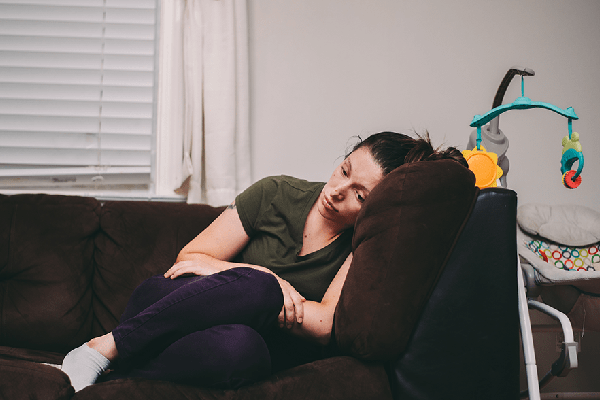
Up to 1 in 5 women experience significant depression or anxiety during pregnancy or after birth. This can include sadness, excessive worry, guilt, irritability, feeling disconnected from your baby, or feeling like you are failing—even when you are doing your best. These conditions are medical, common, and not your fault.
We offer non‑judgmental support for birthing parents and partners, considering both therapy and safe medication options when needed. Our work focuses on stabilizing your mood, supporting bonding, improving sleep where possible, and building your support network so you do not have to carry this alone.

ADHD
Attention-deficit/hyperactivity disorder (ADHD) is a neurodevelopmental condition that affects how the brain manages attention, activity level, and impulse control. People with ADHD may find it harder to stay focused, stay organized, sit still, or think before acting, which can impact school, work, relationships, and daily life. With the right support, strategies, and (when appropriate) treatment, people with ADHD can use their strengths and lead fulfilling, productive lives.
Coaching for ADHD
Along with medical treatment, lifestyle and behavioral changes play an important role in managing ADHD and other mental health diagnoses. We focus on practical behavior modifications and coaching, such as building consistent routines, breaking tasks into manageable steps, improving sleep, nutrition, and movement, and using tools like planners, reminders, and environmental organization to reduce overwhelm. Mindfulness, stress‑management strategies, and skills-based coaching help clients strengthen focus, emotional regulation, and follow-through so that daily life feels more structured, predictable, and manageable and


Life style modification
Lifestyle modification coaching focuses on helping clients create sustainable, everyday changes that support their mental health and overall well-being. It is a collaborative and action-oriented process that turns big goals into practical routines, skills, and habits tailored to each person’s needs and values.
Through structured sessions, clients learn to adjust areas such as sleep, movement, nutrition, stress management, time management, and environment so their lifestyle better supports focus, mood, and energy. Coaching emphasizes realistic planning, accountability, and problem-solving, helping clients build new behaviors step by step and maintain them over time rather than relying on quick fixes.